The Nail File · History · July 2026
A brief, chaotic history of the manicure
People have been decorating their nails for five thousand years, and the story involves warriors, empresses, a frustrated dentist, a Hitchcock actress, and one enormous misunderstanding about France. Buckle up.
3200 BC: nails go to war
The earliest manicure evidence we have isn't from a palace — it's from soldiers. Babylonian warriors groomed and colored their nails with kohl before battle, reportedly favoring black and green depending on rank. Which means the intimidating dark manicure predates writing, agriculture in most of Europe, and every opinion your relatives have about it.
Ancient Egypt and China: color becomes status
Egyptians stained their nails with henna, and depth of color tracked social rank — bold shades for the powerful, pale ones for everyone else. Cleopatra is said to have favored deep red, making her the first documented member of the red-nail club that has included essentially every era of glamour since. Meanwhile in China, nobles mixed egg whites, beeswax, gelatin and flower pigments into early polishes; by the Ming dynasty, aristocrats grew nails inches long and sheathed them in ornate gold and jeweled guards to prove they never did manual labor. The energy of a fresh set of long extensions has not changed one bit in six hundred years.
1878: the first American nail salon
Mary E. Cobb opened "Mrs. Pray's Manicure" in Manhattan after studying nail care in France, then went ahead and invented the modern industry: she standardized the service, trained other women, sold products, and even patented an early emery board. The next time you're in a salon, remember it's a business model a Victorian woman built from scratch. (New York being the birthplace of the American manicure also explains a few things about New York.)
1932: a nail polish empire built from car paint
Modern polish owes its existence to the automobile. When glossy nitrocellulose lacquer was developed for cars in the 1920s, beauty chemists borrowed it — and in 1932 Revlon launched an opaque cream polish using pigments instead of dyes, in a Depression economy where a bottle of polish was the luxury everyone could still afford. The "lipstick effect" was originally a nail thing.
1954: a dentist breaks a thumbnail and invents acrylics
Frederick Slack, a Philadelphia dentist, broke his thumbnail at work and patched it with dental acrylic and a bit of foil. It worked so well he and his brother developed the technique and patented the first sculpted artificial nail. Every acrylic set since — every one — descends from dental chemistry and one man's workplace injury. We cover the modern version in our extensions guide.
1975: Tippi Hedren changes the industry forever
This one deserves to be better known. After the fall of Saigon, actress Tippi Hedren — star of Hitchcock's The Birds — visited a Vietnamese refugee camp in California. The women there admired her manicure, so she flew in her personal manicurist to train twenty of them, then helped them find licensing and work. Those twenty women seeded what became a Vietnamese-American nail industry that today makes up roughly half of all nail technicians in America — and the majority in California. It's the reason skill runs so deep in places like Orange County's Little Saigon, Houston's Bellaire and Vegas' Spring Mountain Road. Twenty manicures in a refugee camp became an entire American industry.
1976: the French manicure is invented — in Los Angeles
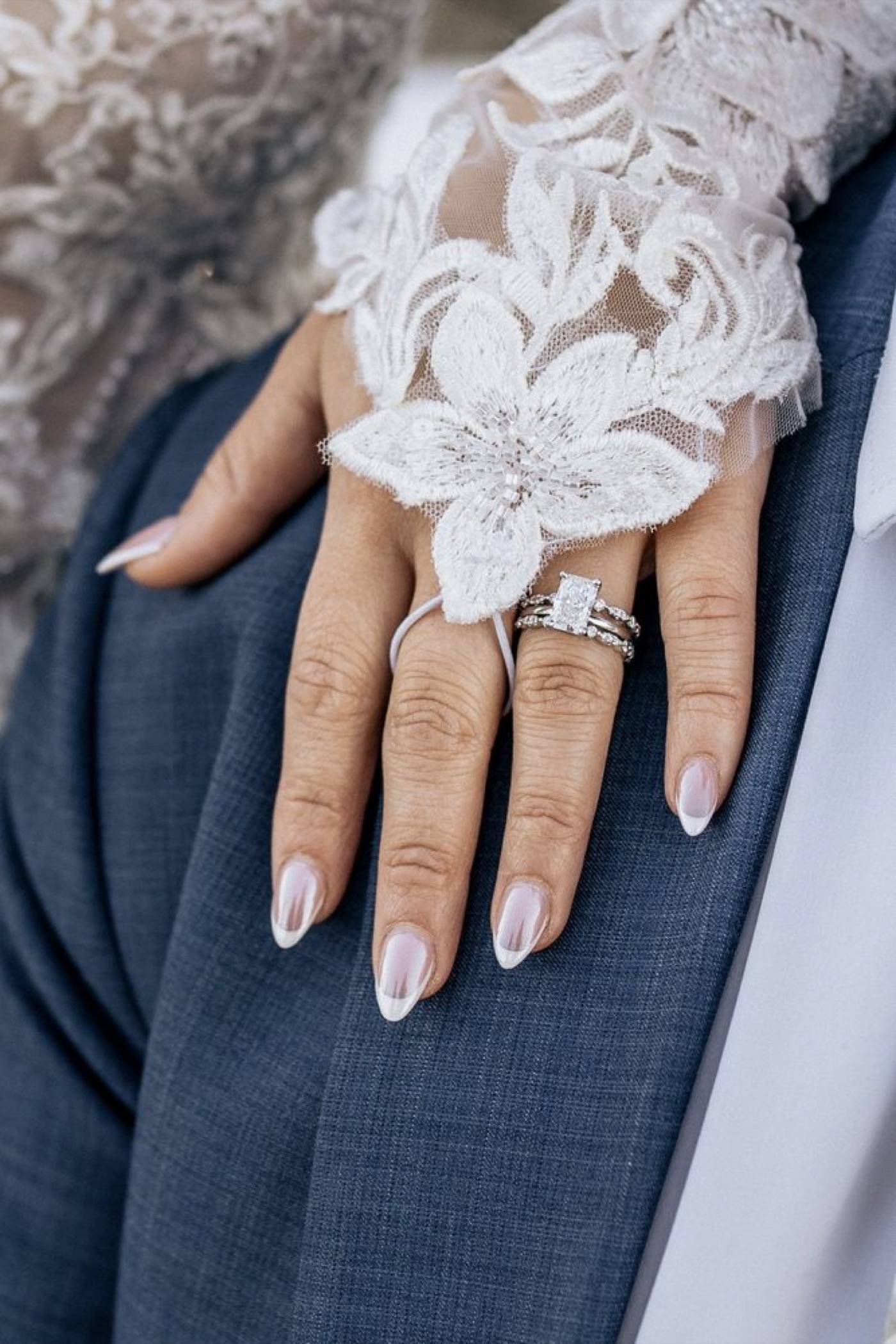
The French manicure is from Hollywood. Jeff Pink, founder of the polish brand Orly, created the nude-plus-white-tip look so film actresses wouldn't need a repaint between costume changes — one neutral manicure that went with everything. He later said he named it "French" after taking the look to Paris runways, because French sounded chic. It worked so well that fifty years later we wrote an entire section on its descendants — micro, milky, American — and nobody blinks at the branding.
2010s–now: the gel era and the algorithm
Long-wear gel polish arrived around 2010 and quietly rewired everything: manicures became two-to-four-week investments instead of three-day treats, which made the cost-per-week math we use in every price guide actually favor the salon. Then Instagram made nails a photographable art form, chrome powder had its moment (still going), and the "glazed donut" of 2022 proved a single celebrity manicure could book out studios worldwide for a year. Five thousand years in, nails remain what they were for the Babylonians: a small, deliberate signal about who you are, worn where everyone can see it.